Regulatory Influences on Prize Pool Growth in Switzerland's Licensed Online Gaming Industry
Ulrich Coleman · Aug 25, 2026
Regulatory Influences on Prize Pool Growth in Switzerland's Licensed Online Gaming Industry
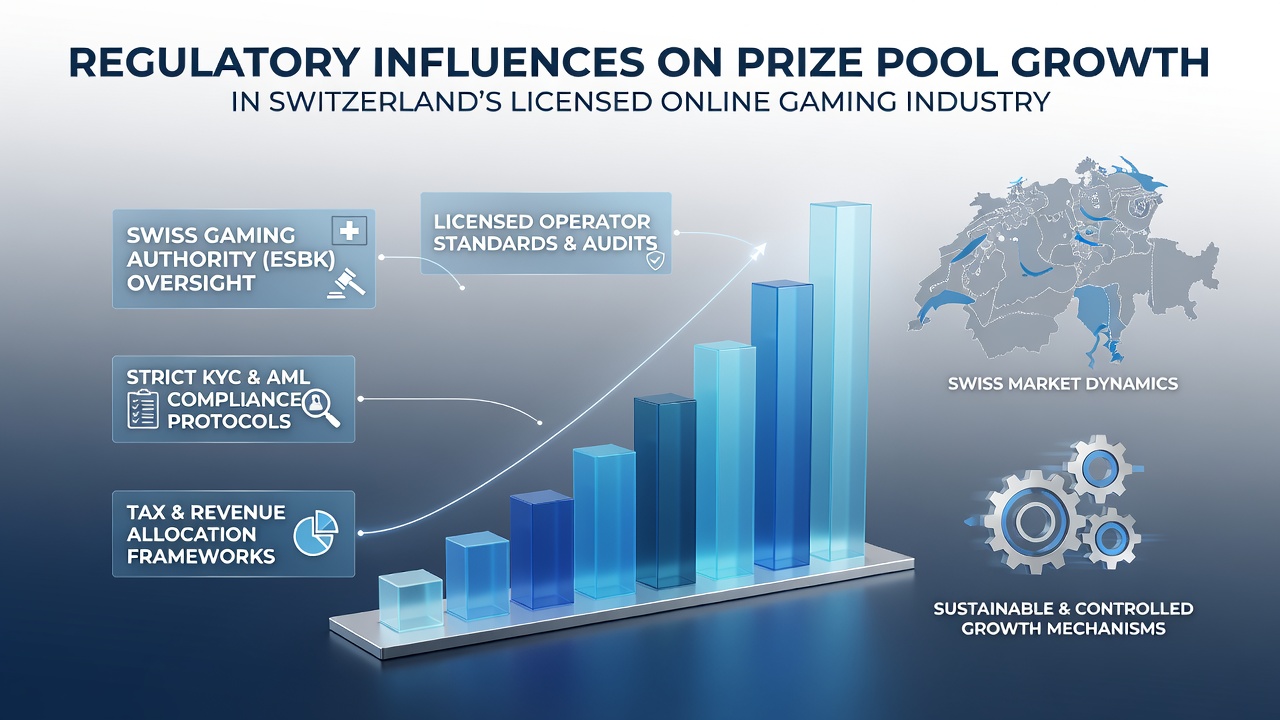
Switzerland maintains a tightly controlled framework for licensed online gaming that directly shapes how prize pools form and expand, with the Federal Act on Gambling serving as the primary legislative backbone since its full implementation, and the Eidgenössische Spielbankenkommission overseeing compliance across operators who must adhere to strict contribution rules before any jackpot accumulation occurs.
Operators licensed under this system allocate a fixed percentage of stakes into prize pools while separate portions fund regulatory reserves and public benefit programs, which means growth in those pools depends on both player volume and the precise caps regulators impose on rollover amounts and maximum single payouts.
Core Licensing Requirements That Shape Pool Mechanics
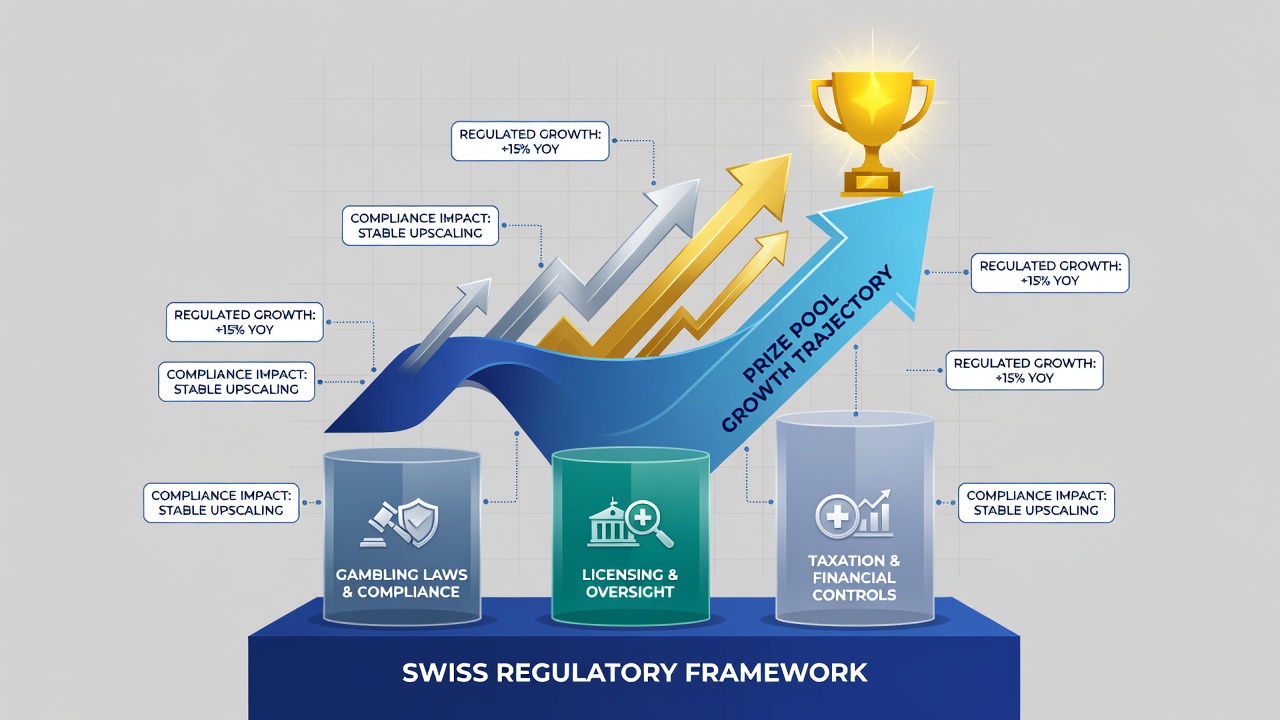
Every licensed platform must obtain approval from the Swiss Federal Gaming Board before launching progressive jackpot features, and this approval process examines projected pool growth rates against technical safeguards that prevent rapid escalation beyond predefined thresholds, while data from the board shows that approved operators reported steady year-over-year increases in aggregate prize pools between 2022 and 2025 despite these constraints.
Platforms that fail to demonstrate adequate reserve funds for jackpot liabilities receive restrictions on pool size, forcing them to cap contributions until financial stability improves, and this mechanism has led several operators to restructure their progressive systems into smaller linked networks that still deliver substantial wins without violating liquidity rules.
Taxation Structures and Their Direct Effect on Accumulation
Swiss tax regulations require operators to withhold a portion of gross gaming revenue before it enters prize pools, yet the law permits certain cross-border pooling arrangements with approved foreign lotteries provided they meet equivalent regulatory standards, and one notable development occurred when Swiss platforms integrated with international networks that allowed larger jackpots to form through shared contributions from multiple jurisdictions.
Figures released by federal authorities indicate that such integrations contributed to a measurable uptick in average pool sizes during 2025, and by August 2026 observers noted that several major platforms had reached new record highs in cumulative prize funds following adjustments that aligned Swiss withholding rates more closely with those used in comparable European markets.
Player Protection Rules That Indirectly Limit Pool Expansion
Mandatory responsible gaming measures, including deposit limits and session time caps, reduce the total stake volume feeding into prize pools, yet researchers at the University of Zurich found that these same restrictions correlate with higher player retention over longer periods because participants feel more secure when engaging with regulated systems, and the resulting steady inflow has offset some of the short-term reductions in pool growth.
Operators must also maintain separate player protection funds that draw a small percentage from every wager, which diverts resources away from jackpots but simultaneously builds public trust that encourages sustained participation across the licensed market.
International Comparisons and Swiss-Specific Adjustments
Unlike frameworks in Canada where provincial regulators allow more flexible jackpot scaling, or Australian state rules that tie pool growth directly to venue performance metrics, Swiss authorities emphasize uniform national standards that prioritize transparency over rapid expansion, and this approach has produced slower but more predictable prize pool trajectories according to reports from the European Gaming and Betting Association.
Those who have examined licensing data note that Swiss platforms often maintain multiple smaller pools rather than one massive progressive, which spreads risk and complies with rules against concentrating too much liability in a single fund, while still delivering wins that attract players from across the region.
Conclusion
Regulatory influences on prize pool growth in Switzerland's licensed online gaming industry operate through interconnected requirements on licensing, taxation, player protection, and international cooperation, and these elements together determine both the pace and stability of pool expansion, with data from federal oversight bodies showing consistent though measured increases that reflect the system's emphasis on long-term sustainability over unchecked growth.